
Vibration causing signal loss? Choose an anti-loose circular electrical connector
A loose circular electrical connector can ruin an otherwise solid machine design. The machine runs fine on the bench. Then it ships out, the vibration starts, and the data stream drops out with no obvious cause. Field techs swap cables, engineers re-flash firmware, and the fault still comes back. In most of these cases, the contact interface inside the connector is the real problem, and no amount of software tuning will fix it.
This guide explains how vibration breaks connectors, what anti-loose designs do differently, and what to verify before you commit to a circular connector manufacturer. Hardware and electrical design engineers, R&D managers, buyers, and quality teams will get the most out of it, because intermittent faults cost every one of those roles something different.
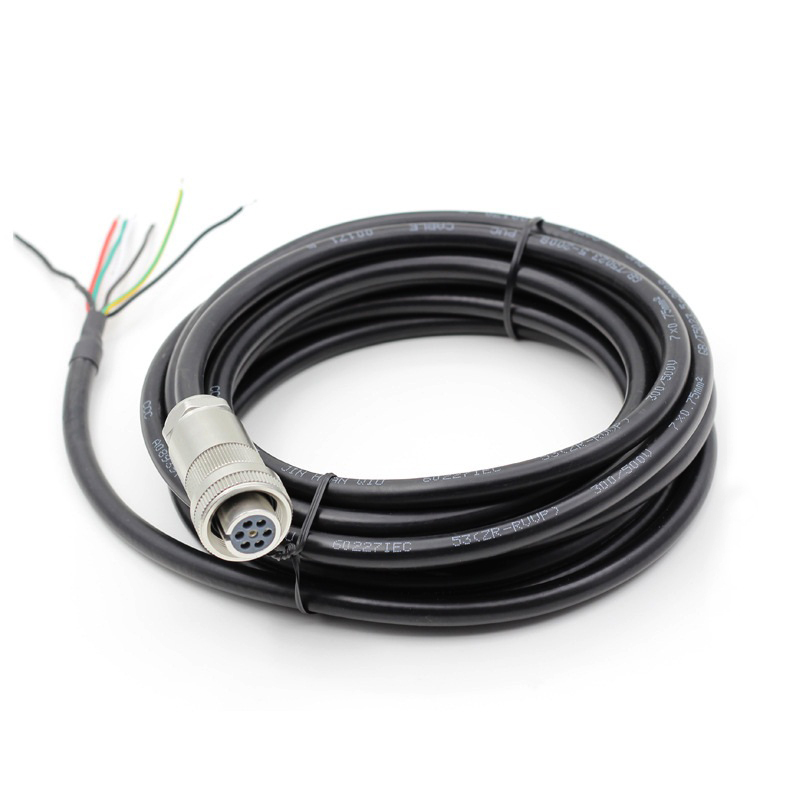
[Image placeholder] image-placeholder-1.jpg
Alt text: Anti-loose circular electrical connector with threaded coupling
Why vibration kills signals in circular electrical connectors
Vibration does not break a contact in one hit. It works slowly, and that slow attack is exactly what makes the fault so hard to diagnose. The damage usually comes from one of four mechanisms.
· Fretting wear. Micro-motion between the pin and socket rubs off the plating. The exposed base metal oxidises, and contact resistance climbs until the signal drops below threshold.
· Coupling backlash. An unsecured thread or bayonet ring backs off over time. Once the coupling loosens by a few degrees, contact pressure falls away and the connection turns intermittent.
· Shell and insert wear. Repeated shock lets the insert shift, so contacts drift out of alignment and arc during engagement.
· Cable strain transfer. Without a proper backshell, every flex loads the solder joint until a conductor fatigues and cracks.
Each of these starts as a millivolt-level flicker on a scope. By the time someone measures it properly, the warranty claim already exists.
The real cost of a loose connector
The purchase price of a circular electrical connector is tiny next to what a loose one costs later. Ask any production manager who has traced an intermittent fault through a finished assembly. Diagnostic hours pile up fast, and the repair often means opening a sealed enclosure on a customer site.
Procurement sees the damage as warranty claims and rush freight. Quality teams see repeat failures and CAPA paperwork. System integrators eat the site visits. None of these costs appear on the connector line item, which is why unlocked cheap couplings keep finding their way into new designs.
A high quality connector with a positive locking mechanism often costs a few cents more per position. One avoided service call pays for that difference across a whole production run. That math has convinced more than one R&D manager to re-spec a project midway through validation.
How anti-loose circular connector designs hold up
The fix is mechanical. It lives in the coupling, the contact, and the strain relief, so all three deserve attention in your spec.
Threaded couplings with anti-lost features
A threaded circular electrical connector stays tight because the thread itself resists rotation. Add a ratchet or anti-decoupling ring, and vibration cannot unwind the coupling at all. Many industrial series also include a visible lock window, so an assembler can confirm full engagement at a glance during final inspection.
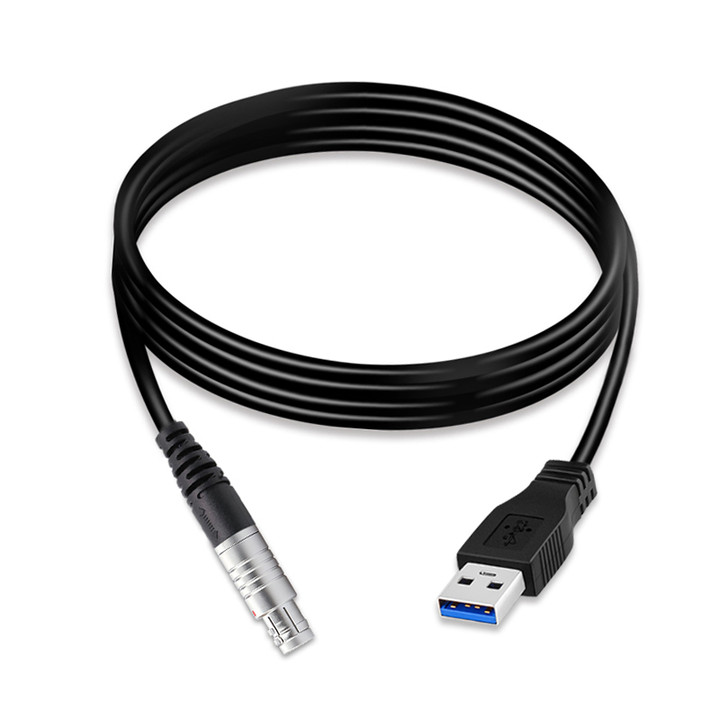
[Image placeholder] image-placeholder-2.jpg
Alt text: Bayonet lock detail on a Torven circular connector
Bayonet and push-pull locks
Bayonet couplings lock with a quarter turn and hold through shock, which is why they are common on mobile equipment. Push-pull self-latching designs go further. The latch only releases when someone pulls the coded collar deliberately, so a snagged cable cannot rip the connection open mid-shift.
Contact retention and backshells
The coupling is only half of the story. Look for contacts held by stainless retainers, gold-plated interfaces, and inserts that will not cold-flow under heat. A good backshell clamps the cable armour and stops strain from reaching the contacts. Skip it, and the cable flexes at the joint until something cracks.
What to ask a circular connector manufacturer
Any connector company can send a datasheet. Far fewer can prove vibration performance on paper. When you evaluate a connectors supplier, ask every candidate for the same evidence, then compare the answers side by side.
Test reports and certifications
Request the actual IEC 60068-2-6 vibration test report, plus salt spray and IP rating data, not a one-line marketing claim. Robust connector manufacturers publish mating cycle counts and current derating curves as well. If a report is not available, treat that silence as your answer.
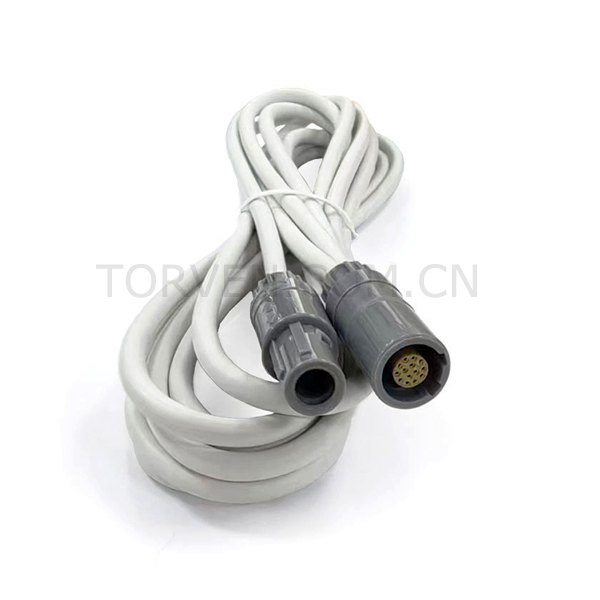
[Image placeholder] image-placeholder-3.jpg
Alt text: Circular electrical connector samples packed for shipment
Samples, MOQ, and lead time
Test the part in your own vibration rig before you commit volume. A serious circular connector manufacturer ships samples fast and states MOQ and lead times in writing. Long sample queues usually predict long production queues.
Connector distribution and after-sales support
Check whether your connectors supplier sells direct, through a connector distributor, or both. A mixed connector distribution model helps when volumes swing, because a distributor can cover the gap while your factory slot is booked. Also confirm where crimp tools and spare inserts come from, because those consumables decide how fast your line recovers after a change order.
Spec checklist for anti-loose circular electrical connectors
Run through this list before you approve any part number.
· Positive locking coupling: threaded with anti-lost ring, bayonet, or push-pull
· Vibration rating per IEC 60068-2-6 at your actual frequency range
· IP67 or better for washdown or outdoor assemblies
· Gold-plated contacts with a published cycle life above your service interval
· Backshell and strain relief matched to your exact cable diameter
· Sample availability inside two weeks
Where Torven fits
Torven builds its anti-loose circular connector range around these failure modes, with threaded, bayonet, and push-pull couplings in a full spread of shell sizes. Sealing to IP67 comes standard, contacts arrive gold-plated across the line, and every series ships with a complete test file. The engineering team also supports custom pin-outs and overmoulded cable assemblies, which shortens the path from drawing to sample.
If your current circular connector manufacturers cannot show you a vibration report, send Torven the drawing instead and ask for a sample. Comparing two connectors side by side on a bench tells you more than any brochure can.
Intermittent signal loss is expensive to chase and cheap to prevent. Lock the coupling, protect the contact, and clamp the cable, and the fault drops out of your service logs. Request a sample kit from Torven through your nearest connector distributor, or contact the factory directly, and put your next assembly on a vibration bench before your customers do it for you.