
Avoid Equipment Short Circuit: Importance of IP Rated Circular Connectors
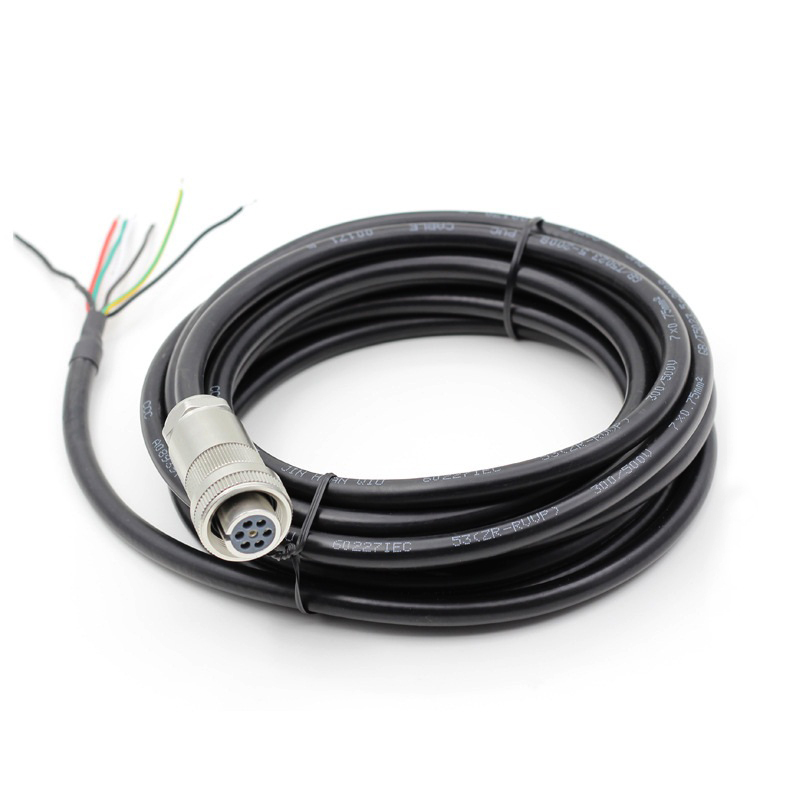
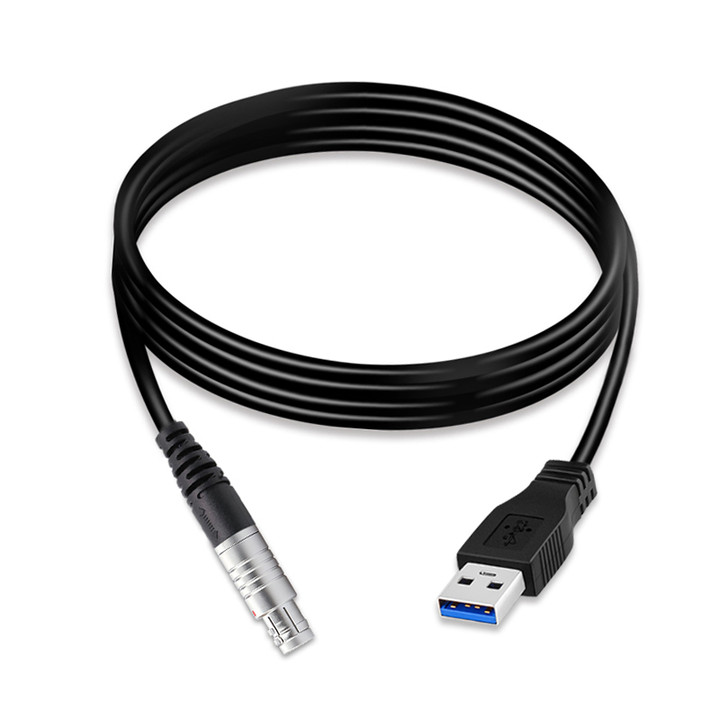
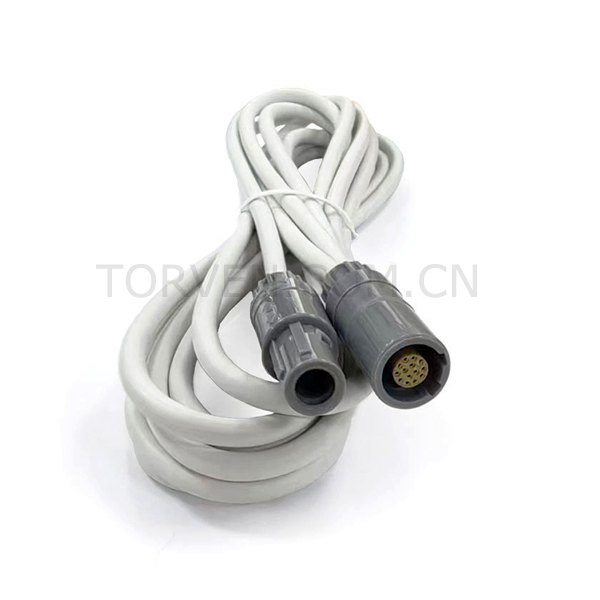
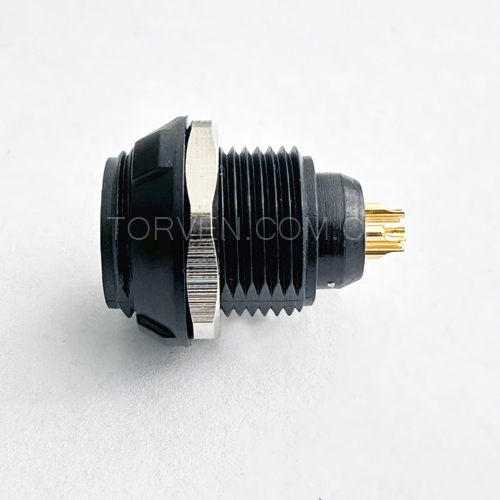
IP rated circular connectors stop short circuits before they start. A single drop of water inside a connector housing can bridge electrical contacts and destroy thousands of dollars of equipment in seconds. Torven circular connector products solve this problem with verified ingress protection ratings built for harsh industrial environments.
[Image: Cross-section diagram of an IP67 rated circular connector showing sealing gaskets and contact pins. Alt text: IP rated circular connectors cross-section showing waterproof sealing gaskets]
What Causes Equipment Short Circuits
Short circuits happen when current takes an unintended path through low-resistance material. Water is the most common cause in industrial settings. When moisture enters a connector, it creates a conductive bridge between contacts. That bridge lets electricity flow where it should not.
Dust and metal particles cause similar damage. They build up inside connectors over months and form conductive paths between pins. Corrosion makes things worse by weakening contact surfaces and raising resistance. High resistance generates heat, and heat melts insulation.
The result is predictable. Equipment fails, production stops, and repair bills pile up.
How IP Ratings Work
IP ratings tell you exactly how well a connector blocks solids and liquids. The International Electrotechnical Commission defines these standards under IEC 60529 (see https://www.iec.ch/homepage). An IP67 rating means the connector blocks dust completely and handles temporary immersion in water. IP68 goes further by supporting continuous submersion at specified depths.
For outdoor or wash-down environments, you need at least IP67. Indoor factory floors may accept IP54 if the area stays dry and clean. The key is matching the rating to your actual operating conditions rather than trusting a spec sheet at face value.
[Image: IP rating chart showing different protection levels from IP44 to IP69K. Alt text: waterproof circular connectors IP rating chart for industrial applications]
Why Waterproof Circular Connectors Protect Your Investment
Waterproof circular connectors do more than keep rain out. They maintain signal integrity in humid environments. They prevent corrosion on gold-plated contacts. They extend the service life of your entire electrical system.
Consider a food processing plant where operators wash down equipment daily with high-pressure water jets. A standard connector fails within weeks under those conditions. An IP69K-rated connector handles those jets without leaking a drop.
Offshore wind turbines face a different challenge. Salt spray attacks exposed metal surfaces constantly. Weatherproof connectors with proper IP ratings resist that corrosion for years of reliable service.
The Real Cost of Connector Failures
A single short circuit in a manufacturing line can cost thousands per hour in lost production. One automotive supplier reported $47,000 in losses because a connector admitted coolant spray into the housing. The fix was simple. They switched to waterproof connector cables rated for IP67. The cost difference came to under $200 per unit.
[Image: Side-by-side comparison of a corroded standard connector versus a sealed Torven circular connector after 12 months of outdoor exposure. Alt text: hermetic sealed connectors vs standard connector corrosion comparison]
Hermetic Connectors: When Standard Sealing Falls Short
IP ratings measure protection against water and dust. But some applications need more. Vacuum environments, pressure vessels, and gas-tight enclosures require hermetic sealing that blocks gas molecules themselves.
Hermetic connections achieve this through glass-to-metal or ceramic-to-metal bonding. Hermetic connectors create a seal so tight that it withstands pressure differences which would crack standard rubber gaskets. This matters in aerospace, medical implants, and subsea equipment where even microscopic leaks cause failures.
Understanding Hermetic Feedthroughs
A hermetic feedthrough passes electrical signals through a sealed wall without breaking the seal. Manufacturers use specialized bonding techniques to fuse conductor pins directly to the housing material. This fusion creates a permanent, gas-tight barrier.
Engineers specify hermetic feedthroughs for demanding applications. Vacuum chambers in semiconductor fabrication plants need them. Pressure vessels in oil and gas exploration rely on them. Medical implants require body fluid isolation that only hermetic sealing provides. Submarine systems facing extreme depth pressure depend on them.
Hermetic feed thru assemblies typically achieve leak rates below 1x10⁻⁹ cc/sec helium. That is roughly a million times tighter than an IP68 gasket seal. For hermetic feedthrough E-type configurations, the design accommodates higher pin densities while maintaining that seal integrity.
Choosing the Right Connector: A Practical Framework
Start by listing every environmental condition the connector will face. Include water exposure type, dust level, temperature range, chemical contact, pressure differential, vibration, and mechanical shock. Then match those conditions to connector specifications.
Here is a practical selection guide:
· Indoor, clean environment: IP54 with standard sealing works fine
· Outdoor, occasional rain: IP65 or IP67 weatherproof connectors
· Wash-down or heavy water exposure: IP67 minimum, IP69K for high-pressure jets
· Submersion or pressure differential: IP68 plus hermetic sealed connectors
· Vacuum or gas-tight requirement: Hermetic seal connectors with glass-to-metal bonds
For high pressure electrical connectors, verify both the IP rating and the pressure rating independently. Some connectors handle 10 bar. Others survive 100 bar. That difference matters enormously in deep-sea and downhole applications where external pressure crushes inadequately rated housings.
[Image: Decision flowchart for selecting connector type based on environmental conditions. Alt text: hermetic connector selection guide for different industrial environments]
Material Selection and Contact Plating
Housing material affects performance as much as the seal design. Stainless steel 316L resists saltwater corrosion far better than nickel-plated brass. PEEK composite housings handle extreme temperatures and aggressive chemicals. Aluminum offers a solid balance of weight and cost for general industrial use.
Contact plating plays an equally important role. Gold over nickel provides the best corrosion resistance for harsh environments. Silver costs less but tarnishes in sulfurous atmospheres. Tin plating works adequately for low-voltage, dry applications where corrosion risk stays low.
Quality Assurance: What Production and Quality Managers Need to Verify
Not all connectors carrying the same IP rating perform equally. Torque on coupling nuts affects seal compression. Temperature cycling changes gasket dimensions over time. Manufacturing tolerances vary between suppliers in ways that spec sheets rarely capture.
Torven circular connector products undergo 100% leak testing before shipment. Each unit gets pressure-tested to verify seal integrity. Batch records trace materials back to their source lots.
Production managers should verify several key items:
· IP rating certificates from independent labs, not just manufacturer claims
· Salt spray test results following ASTM B117 for outdoor applications
· Temperature cycling data for extreme hot and cold environments
· Vibration test reports for mobile and rotating equipment
Avoiding Counterfeit Connectors in Your Supply Chain
The market contains connectors stamped IP67 that fail basic water immersion tests. A hermetic connector distributor with proper certifications can save you from costly field failures. Look for UL, CE, and RoHS compliance documentation as baseline requirements.
Request sample units and test them yourself. Immerse them. Vibrate them. Cycle the temperature from -40 to 125 degrees Celsius. A connector that fails in your lab will fail worse in the field. Hermetically sealed connector products from reputable suppliers come with full test data backing every claim.
Integration Best Practices for System Integrators
System integrators bridge the gap between engineering design and field installation. You inherit specifications from designers and face real conditions they may not have predicted.
First, verify that field conditions match the design assumptions. A connector rated for occasional splash exposure will not survive daily pressure washing. Check the actual installation environment before approving materials.
Second, train installation teams on proper coupling procedures. Under-tightened coupling nuts leak. Over-tightened nuts crack housings. A simple torque wrench costs far less than a warranty service call.
Third, stock spare connectors for critical signal paths. Water proof wire connectors are cheap insurance compared to the downtime costs when a sealed connection fails during production.
Long-Term Maintenance of Sealed Connections
Seals degrade over time. Every maintenance planner must accept this reality. O-ring gaskets compress and crack with age. Thread sealants dry out and lose flexibility. Mating surfaces corrode even under protective plating.
Schedule periodic seal inspections based on environmental severity. Replace gaskets on a set interval rather than waiting for failure. Document seal conditions during every service visit. This data helps predict failures before they cause unplanned downtime.
Why Torven Circular Connector Products Stand Apart
Torven designs connectors for the conditions your equipment actually faces. Every product line carries verified IP ratings from accredited test laboratories. Hermetic connection options cover applications from medical imaging equipment to deep-sea sensor housings.
Key advantages of Torven connectors include verified IP67 and IP68 ratings with third-party test certificates, hermetic seal connectors with leak rates below 1x10⁻⁹ cc/sec, 316L stainless steel and PEEK housing options for corrosive environments, gold-over-nickel contact plating for maximum corrosion resistance, and custom configurations available for OEM specifications.
Take Action Before Short Circuits Cost You
Equipment short circuits do not announce themselves. They happen on the production floor at 2 AM, or offshore during a storm, or inside a clean room during a critical batch run.
The fix is straightforward and far less expensive than the damage. Choose IP rated circular connectors matched to your real operating conditions. Verify ratings with independent test data. Use hermetic connectors when gas-tight sealing matters.
Contact Torven today to discuss your connector requirements. Our engineering team will help you select the right sealing level for your specific application and environment.