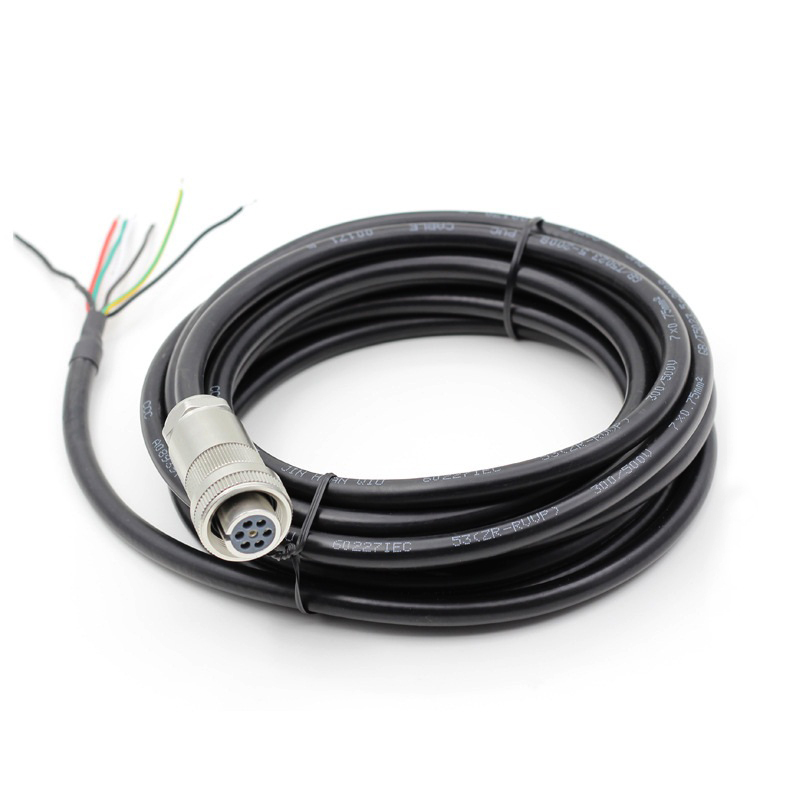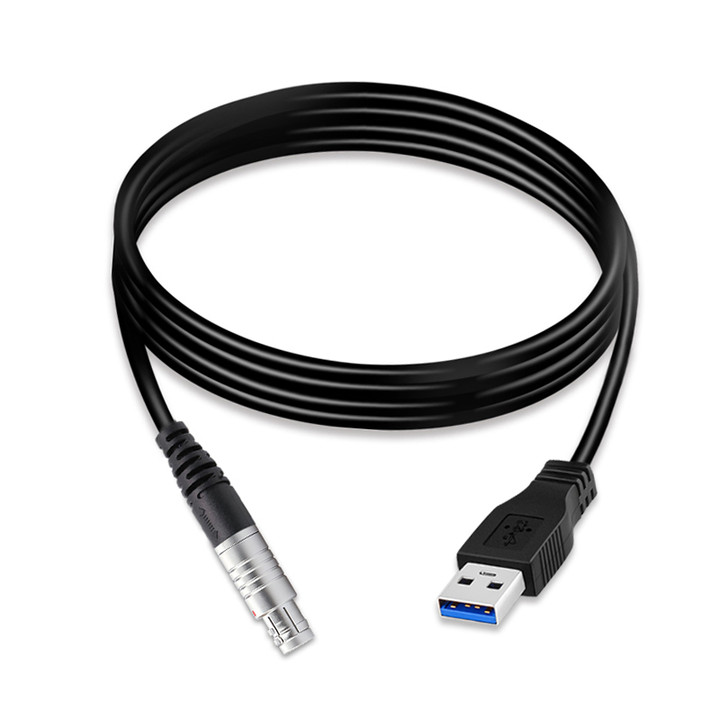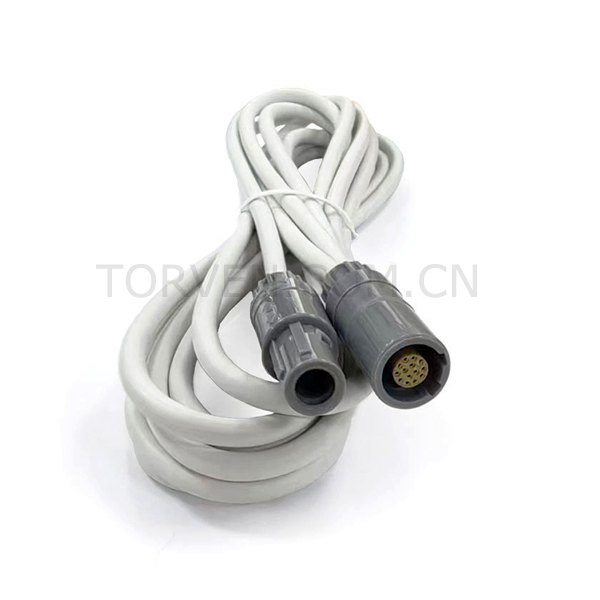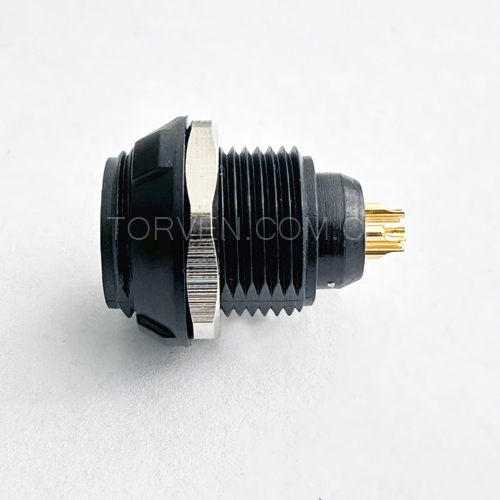

It is critical to select the right connector where equipment is required to function in dust, rain, moisture, water immersion or around high pressure cleaning. While there are a few similarities in the protection offered by the IP67 vs IP68 vs IP69K Connectors, there are also a few differences. These are designed for the different types of water testing; IP67 for temporary immersion, IP68 for continuous immersion under specified conditions, and IP69K for high-pressure, high-temperature water jets. Knowing these differences can help the engineer, manufacturer and buyer choose a connector that is suitable for the actual working environment. Each rating is described in this guide, along with its typical applications, and other ratings for connectors are mentioned before deciding to purchase one.
What Does an IP Rating Mean?
Introduce the concept of Ingress Protection (IP) and the rating system is mainly based on IEC 60529. The first digit indicates protection against solid objects and dust and the second indicates protection against water. The first digit (6) indicates a dust-tight enclosure. Note that with the water digit, the type of protection is changed: 7 is temporary immersion, 8 is continuous immersion under specified conditions, and 9 is high pressure, high temperature water jets. Explain that these are test conditions and not a linear scale of each protection level comprising all the lower protection levels.
Understanding the Two Digits
Summarize the ratings that have been mentioned in the article:
● 6: Dust-tight protection
● 7: Temporary immersion
● 8: Constant submersion under stipulated or designated circumstances
The 9/9K protection is for high-pressure and high-temperature water-jet protection.
Discuss the concept of learning each digit to understand how to compare and read connector specifications.
What Is an IP67 Connector?
Describe an IP67 connector and what it means that it is dust-tight and can be submerged for a limited period of time under specified conditions in the IP67 rating. The standard cited IEC 60529 condition is 30 minutes of immersion at 1 meter.
Explain the use of IP67 connectors such as in outdoor equipment, industrial sensors, control systems, machinery, hydraulic equipment and applications where they are subjected to rain or short term submersion. Provide an explanation of why equipment could be considered IP67 if it can get wet or be briefly submerged but is not totally under water for long periods.
Include a brief explanation that the rating applies to the whole connection system. The rating of a connector can also depend on whether it is correctly mated or sealed, so installation instructions and manufacturer's specifications should always be checked.
What Is an IP68 Connector?
Discuss an IP68 connector, and that it is waterproof and meant for continuous immersion in water as agreed between the manufacturer and the user. There is no single depth and duration for IP68; it is related to each product. The depth of immersion, test time, and test conditions should thus be verified in the product datasheet.
Discuss appropriate applications including outdoor electronics, waterproofing for under water equipment, industrial automation, cable assemblies, sensors, surveillance systems, and equipment that will be immersed in water for extended periods. Describe the use of IP68 in situations where water exposure is not occurring frequently, but may occur for longer periods or repeatedly.
Discuss the Torven waterproof circular connector solutions for industrial applications, where equipment may be subject to cooling water, dust and oil splashes, and vibration, for example in servo motor and sensor connections, which are rated IP67/IP68.
What Is an IP69K Connector?
Describe IP69K rating, as it is not only immersed in water, but also subjected to high pressure and high temperature water jets. The rating is particularly linked to challenging washdown scenarios, such as in industrial and vehicle applications. Usual test conditions are hot water supplied at a high pressure from a short distance.
Talk about how IP69K is beneficial for pressure washing equipment that is frequently used or faced with hard cleaning. These could be used in heavy-duty systems, vehicles, food processing machines, industrial machines and systems, and other systems in which regular washdown is a part of the normal operation.
It's important to note that IP69K does not equate to immersion. A connector used to connect high pressure water jets is not necessarily rated for continuous underwater use unless it is also rated for immersion.
IP67 vs IP68 vs IP69K Connectors: Key Differences
|
Feature |
IP67 |
IP68 |
IP69K |
|
Dust Protection |
Yes |
Yes |
Yes |
|
Water Protection |
Temporary immersion |
Long-term immersion |
High-pressure water jets |
|
Best for |
Rain & splashes |
Underwater use |
Pressure washing |
|
Common uses |
Outdoor equipment |
Industrial equipment |
Heavy-duty equipment |
Which Connector Rating Do You Need?
Inform that the choice of connectors must start with the real operating environment. Determine if the connector will be exposed to rain, temporary submergence, long term submergence or high pressure cleaning.
Choose IP67 for Temporary Water Exposure
Tell the students that IP67 is appropriate for equipment that is subject to the elements such as rain, splashes, moisture, and only brief time of submersion. Useful when connector requires protection from dust & specific amount of temporary immersion in water.
Choose IP68 for Extended Immersion
Explain that IP68 is more fitting when a connector can be submerged for extended amounts of time. But it should be understood that the water-depth or time specification may be different in all the IP68 connectors. The test conditions are always stated by the manufacturer and should be taken into consideration when selecting a product.
Choose IP69K for High-Pressure Washdown
Go over the meaning of IP69K and explain it is used in cases where connectors are subjected to heavy hot-water streams or pressure washing. This results in the rating being applicable to equipment which requires regular, intensive cleaning. Emphasize that washdown protection and immersion protection are different requirements.
Other Factors to Consider When Choosing Waterproof Connectors
An IP rating isn't the only aspect of a connector that should be taken into consideration. Other factors to consider when you are buying include:
● Vibration and shock: Relevant to machinery, vehicles, automation equipment & mobile equipment.
● Chemical and oil exposure: Consider the presence of cleaning chemicals, lubricants, fuel, and other chemicals.
● Count how many times the connector is matable.
● Cable assembly: Connecting the connector does not imply that the entirety of the cable assembly is secured the same way.
● Installation Conditions: Determine if the rating applies if the connector has been properly mated, capped or installed as recommended by the manufacturer.
Clarify that Torven's industrial connector services offer a number of different connector structures together with applications, so that customers should consider the entire product specification versus the application in which it will be used.
Applications of IP67, IP68, and IP69K Connectors
IP67: Industrial sensors, outdoor electronics, hydraulic equipment, machinery, control systems, equipment exposed to rain and/or short immersion.
IP68: underwater sensors, outdoor installations, industrial automation, surveillance, cable assemblies or applications that call for greater underwater protection.
IP69K: Sealed for high-power washed, such as by power conkeys, industrial applications, food processing, heavy duty systems and vehicle parts.
Relate these same applications to the actual environmental exposure. For instance optical sensor in an outdoor application may have primarily rain rejection requirements and optical sensor in an equipment washdown area may have strong hot water jet rejection requirements. Other industries for Torven's connectors, according to the company's list, are demanding industries such as: automation, new energy, surveillance, transportation, medical equipment and more.
Common Mistakes When Selecting IP-Rated Connectors
● There is no explicit requirement for high-pressure washdown, which is therefore presumed from IP68.
● If the connector is labelled IP69K, it automatically implies that the connector is suitable for underwater applications.
● Selecting the wrong protection grade (IP68) when it is not even clear how deep or long the item is going to be immersed.
● Considering only the connector but not the cable, seals or mating condition.
● Free of all stress, vibration, temperature and chemicals.
● Choosing the highest IP rating but not necessarily matching the actual conditions.
● Emphasize IP ratings rely upon specific tests and the rating should always be matched to the actual use conditions of the connector.
FAQ:
1. What is the difference between IP67, IP68, and IP69K connectors?
IP67 connectors are resistant to dust and short time water intrusion. An IP68 connector offers dust protection and was created to be submerged continuously in the environment specified by the manufacturer. IP69K water jet connectors have been rated to save the users from even the most demanding washdown conditions, as they are extremely resistant to high pressure and high temperature water jets.
2. Is IP68 better than IP67 for waterproof connectors?
Not necessarily. IP67 will be classified for temporary immersion and IP68 will be classified for longer or continuous immersion under specific circumstances. The selection of the connector varies according to water exposure and actual environment in which it is working.
3. Does IP69K mean a connector can be submerged?
The main meaning of No. IP69K is protection from high-pressure and high-temperature water jets. It should not be assumed that it is an immersion rating. If the connector needs to be underwater, verify also if it has an appropriate IP68 rating, and confirm the conditions stated by the manufacturer.
4. What applications typically require IP69K connectors?
IP69K connectors are for heavy washdown or heavy pressure washdown environments. These include equipment used in heavy duty machinery, vehicle service and maintenance equipment, industrial automation, food-processing equipment and systems that need regular deep cleaning.
5. What should I check besides the IP rating when choosing a connector?
Review the voltage and current rating, number of contacts, operating temperature range, housing materials, sealing materials, cable type, vibration / shock resistance, chemical resistance, mating cycles, installation conditions and required certification of the connector. Provide verification that the full connector/cable assembly complies with the application protection standards.
Final Thoughts
A measure of water and environment resistance depends on the type of water exposure and environment resistance that the equipment will come across, thus making the difference between IP67, IP68, and IP69K. The Title IP67 vs IP68 vs IP69K Connectors is not about having the highest ranking connector is the finest one, it's about having the right one for the job! IP67 is for temporary immersion in water, IP68 is for longer periods of water immersion under certain conditions, IP69K is for high pressure (and/or high temperature) water-jet exposure. Other factors to be taken into account when choosing a connector are temperature, vibration, chemicals, electrical, construction of the cable, the sealing, and the test specification of the manufacturer. It's significantly better to match the actual operating environment because of the suitability of the connector to achieve reliable protection with longer service life.