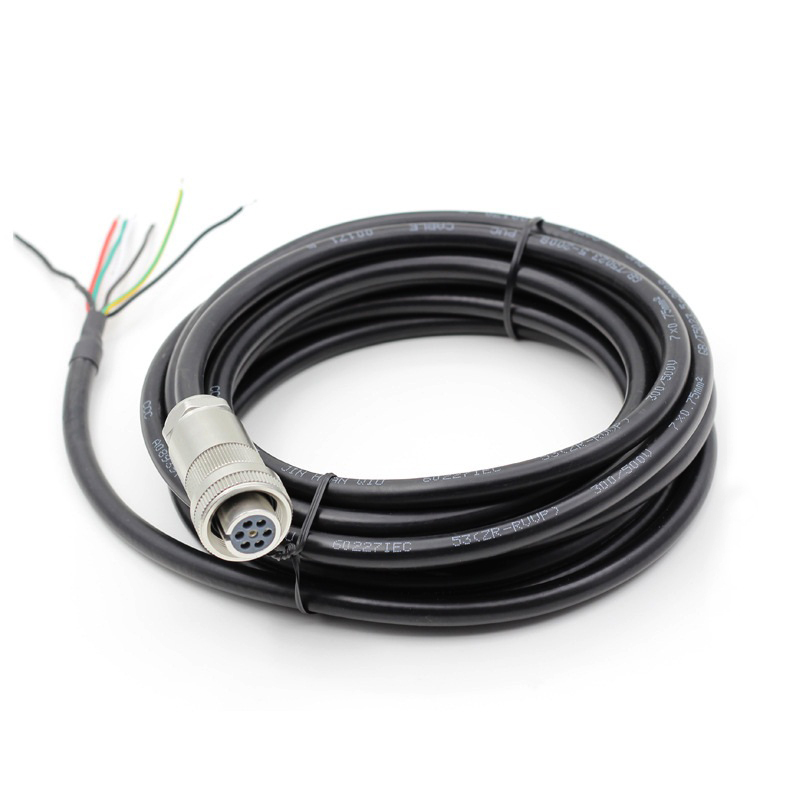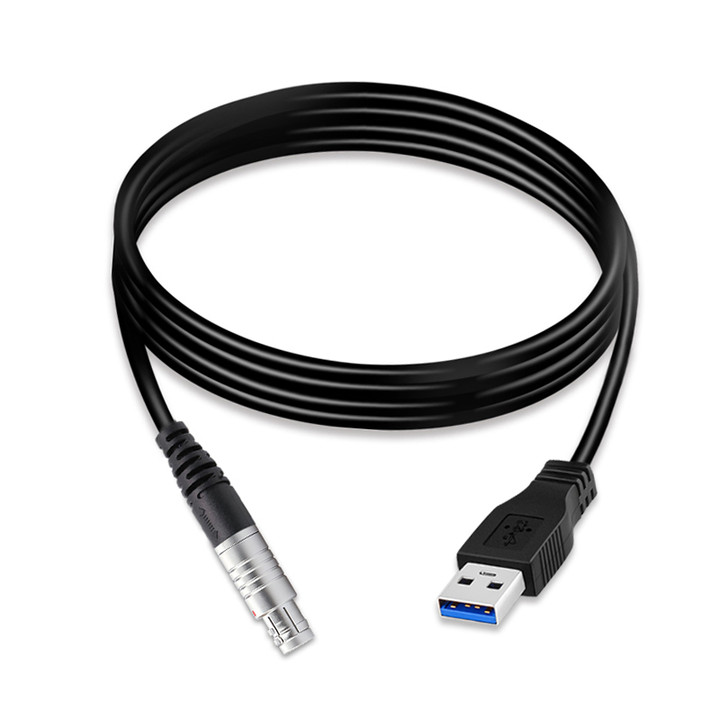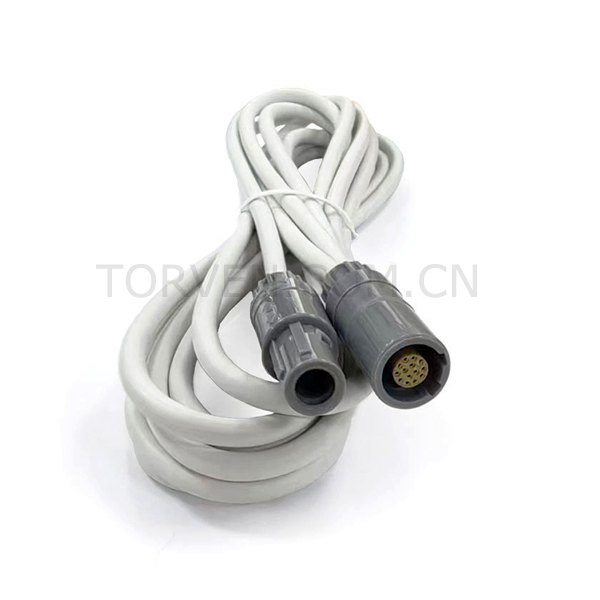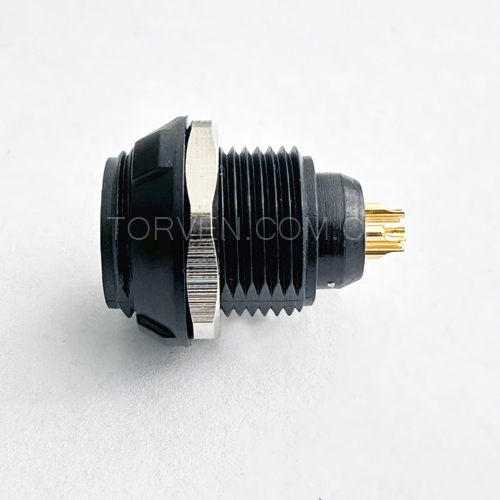


In many medical devices, the push-pull connector is used to offer a quick and secure method of attaching cables and components. It is simple to push in and pull out, and can be beneficial in equipment requiring frequent connection and disconnection or smaller layouts or ease of handling. But it's not just about the size or the number of contacts to select the right connector. Various factors such as electrical performance, mechanical strength, sterilisation, cleanability, protection of the environment, mating cycles, ergonomics and application requirements have to be taken into account. This Push Pull Connector Selection Guide for Medical Devices will discuss the primary considerations that engineers and product manufacturers need to consider when choosing a connector for a medical device.
What Is a Push Pull Connector?
A push-pull connector is a type of connector which is designed to connect with the push. It is typically unlocked by pulling, or by using a specific unlocking mechanism for the connector. Internal locking system will provide additional stability of the connection when operating the equipment normally. Additionally, keying and polarization can be used to help prevent the connector from being fitted in the wrong direction. Push Pull can provide faster mating and convenient operation when compared to threaded connectors, this may be beneficial for medical equipment where connections may be required to be changed frequently.
How Push-Pull Locking Works
Typically, the lock mechanism is engaged when the plug is inserted into the receptacle. After being correctly positioned, the mechanism prevents accidental disconnection. Some of the designs include a tactile or audible feedback when they are mated. The keying features may also be used to position the connector properly and to prevent the possibility of improper connection. Each connector design has a way of locking and releasing, which will be described in the manufacturer's technical specifications.
Why Push Pull Connectors Are Used in Medical Devices
Connectors for medical equipment need to be compact, reliable, easy to use, and withstand repeated use. These requirements can be met with push-pull connectors that can be quickly connected and disconnected, without the need to rotate many threaded designs. They can be applied in patient monitoring devices, diagnostic systems, surgical devices, portable medical equipment and other electronic systems. They are also ergonomic to operate, which can facilitate installation and servicing for technicians. But suitability is not just about the locking style, it is about the device, the environment, the electrical requirements and the electrical connector specification.
Key Factors in Medical Push Pull Connector Selection
The key to the Push Pull Connector Selection Guide for Medical Devices is the real-life operating needs of the actual medical devices. Engineers should determine what the connector must transport, how frequently it will need to be connected, the location of the connector, and the environment to which it is subjected. A good connector for a laboratory apparatus may not be appropriate for equipment that is cleaned frequently, exposed to moisture, subjected to vibrations, or handled often.
Electrical Requirements
The first step in determining the number of contacts and type of electrical connection is to evaluate the number of contacts needed and what kind of electrical connection is required. Verify voltage and CUR currents – make sure that the connector is rated to withstand the load. Signal, power, coaxial, fiber-optic or hybrid connections may also be needed for medical equipment. If sensitive signals come into play, contact arrangement, insulation performance, shielding and electromagnetic compatibility should be examined. The connector must meet appropriate electrical ratings and have a margin for the application that is to be safe.
Mechanical and Physical Requirements
The size of the connectors should be compatible with the inside and outside space of the medical device. Explore the options of panel mount, cable mount, or inline, cable diameter and strain relief. Mating and unmating force is also significant as the connector could be required to be operated many times or in a small volume. Mechanical requirements should include resistance to vibration, shock, cable movement and other mechanical forces likely to be encountered during normal operations, transportation or servicing.
Environmental and Sterilization Requirements
Medical connectors can come in contact with moisture, cleaning agents, disinfectants, dust, body fluids or other environmental factors. So, the appropriate ingress protection needs to be specified before the selection. Other important factors for applicable equipment are sterilization and assembly. The connector might have to endure steam, EtO or radiation sterilization, depending on the device. The material compatibility, temperature requirements, sealing and cleaning chemical resistance must be checked in accordance with the specification of the connector manufacturer.
Consider Mating Cycles and Long-Term Reliability
The mating cycles expected are a crucial part of connector selection. A single-use connector may be significantly different from a connector that is connected or disconnected hundreds or thousands of times by a technician. Contacts, locking mechanisms, housings and cable assemblies can be impacted by repeated usage. The service life should thus be compared with the rated mating cycles of the connector. If the reliability of the product is important, tests can be performed under repeated mating, vibration, cable movement, and other expected conditions to ensure sustained reliability.
Keying, Color Coding, and Mating Safety
There can be multiple connectors in a medical system that are similar in appearance, but have different roles. Keying and polarisation can be used to avoid incorrect orientation or mating. Connectors can also be identified during installation and servicing processes using color coding and clear identification. The features are particularly helpful for use when technicians are working in a hurry or when multiple cables are attached to the same component. Alignment features and tactile feedback can further enhance the usability of the blind-mating applications.
Materials and Manufacturing Considerations
The properties of connectors are influenced by material selection, including durability, corrosion resistance, chemical resistance, temperature resistance, and suitability for cleaning and sterilization. The selection of the housing, contacts and other elements should then be made based on the environmental and mechanical needs of the application. Precision manufacturing techniques for complicated metal connector parts may also be significant. Metal Injection Molding (MIM) can be used to make small, complex metal parts with higher production quantities, such as some parts for medical equipment. For projects that demand high precision metal components with complex designs and repeatability, Harber MIM comes into play.
Push Pull Connector vs. Other Locking Mechanisms
|
Feature |
Push-Pull |
Threaded |
Bayonet |
|
Locking |
Push to lock |
Twist to lock |
Push and twist |
|
Connection Speed |
Fast |
Slow |
Moderate |
|
Ease of Use |
Easy |
Moderate |
Easy |
|
Rotation Needed |
No |
Yes |
Yes |
|
Best For |
Quick connections |
Strong locking |
Quick secure locking |
|
Common Benefit |
Fast and simple |
Strong retention |
Secure and quick |
Step-by-Step Connector Selection Process
By using a practical selection process, the risk of selecting a connector which may not meet the device requirements can be reduced. The first step is to establish the application and operating environment. Next, determine the number of contacts, voltage, current, signal type, connector size and mounting. Next come the mating cycle requirements and the environment protection. Then go over cleaning, sterilization, temperature, chemicals, keying, ergonomics, and cable strain relief. Lastly, review all the technical documentation, testing details, quality controls, and manufacturing experience of the supplier. This is a structured approach for comparing options for connectors.
Common Mistakes When Selecting Medical Push Pull Connectors
The most frequent errors are selecting a connector due to the physical fit only, or simply to price, or neglecting the real load to be carried by the connector. Other issues can arise if the engineers neglect to verify the compatibility of the sterilization process, mating cycles, cable motion, sealing, compatible cleaning chemicals, or installation space. A second error is to believe that the individual rating of the connector also indicates compliance with all the relevant requirements for the entire medical device. Connectors should be considered as a component of the device design and qualification process, however.
When Custom Push Pull Connector Components May Be Needed
For a special medical device, standard components might not be the right size, shape, material or performance. When a project calls for a specific housing, precision metal part, contact component or mechanical interface, custom components may be included. MIM can offer a manufacturing solution for small and complex metal parts, suitable for small batch and medium and small batches. Manufacturing can be considered early in the design process, which may help engineers to review geometry, material selection, tolerances, production volume, and feasibility of the manufacturing process before they settle on the design of the component.
Final Checklist for Choosing a Medical Push Pull Connector
Prior to finalizing a connector, check the principal requirements for each connector in one checklist. Verify the contact count, voltage and current ratings, connector size and shape, mounting configuration, mating cycles, protection level, temperature range, cleaning and chemical resistance, sterilisation process, keying, identification, EMI/EMC requirements, cable diameter, strain relief and technical documentation. Use this checklist to determine what is missing out of a connector before it is entered into detailed design or production.
FAQ:
What is a push-pull connector used for in medical devices?
Push pull connectors are used where equipment requires a fast, secure connection and disconnection. They can carry power, signal or combined connections in various devices including monitors, diagnostic equipment, surgical equipment, laboratory instruments and portable devices, depending on the design.
Are push-pull connectors suitable for sterilizable medical devices?
Some are, but it depends on the materials, construction, seals and validated resistance to the particular sterilisation process of the connector. Engineers should check on the supplier test data on the sterilisation method and number of cycles to expect.
What IP rating should a medical push-pull connector have?
Not all medical devices have a universal IP rating. Rating is dependent on dust, water, cleaning fluids and other environmental factors. The connector and its installation should be considered individually, but as part of the complete enclosure.
How do I choose the right number of connector pins?
Make a list of all the required power, signal, ground and shielding connections. Then ask yourself if there are additional contacts that are required for future modifications or monitoring. The final configuration should also be the right size and specifications for the connector.
What standards should I check when selecting a medical connector?
Medical devices may make reference to relevant IEC 60601-1, IEC 60529, ISO 10993, IEC 60512, but the specific requirements of these standards will depend upon the medical device, intended use, and target market. The regulatory and quality teams need to verify the standards to be applied to the finished product.
Conclusion
The selection of a connector for medical equipment should take into account electrical performance, mechanical reliability, environmental resistance, compatibility with sterilization, usability and manufacturing requirements. It should be designed in accordance with the actual environment of the product operation, not just relying on the size or type of connectors. The examination of these requirements in a systematic way can provide engineers with better information of choice and eliminate possible reliability issues during development and service. Thus, for medical equipment a well-planned Push Pull Connector Selection Guide for Medical Devices for connectors.