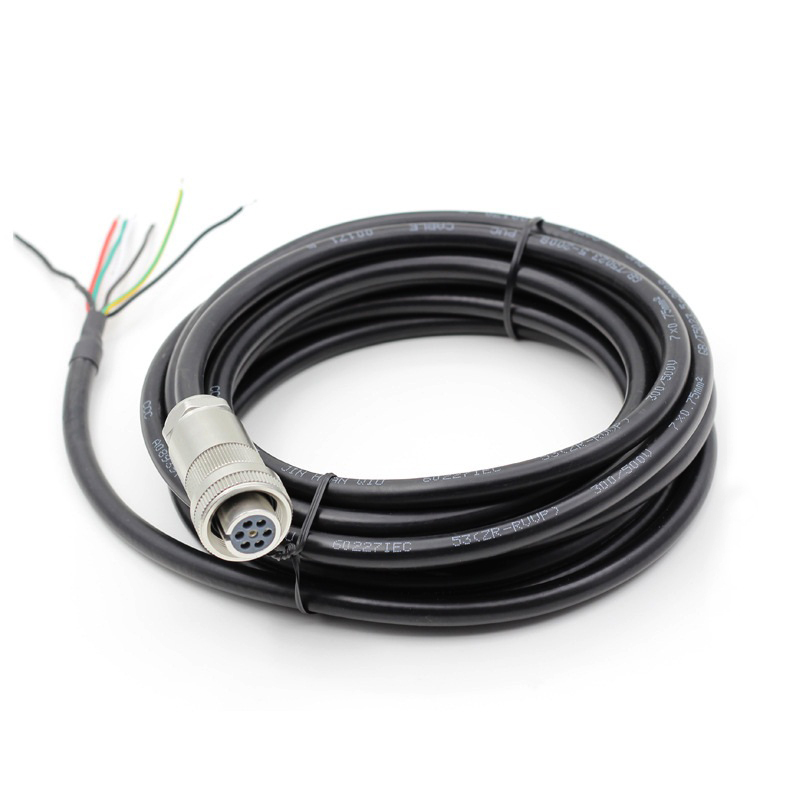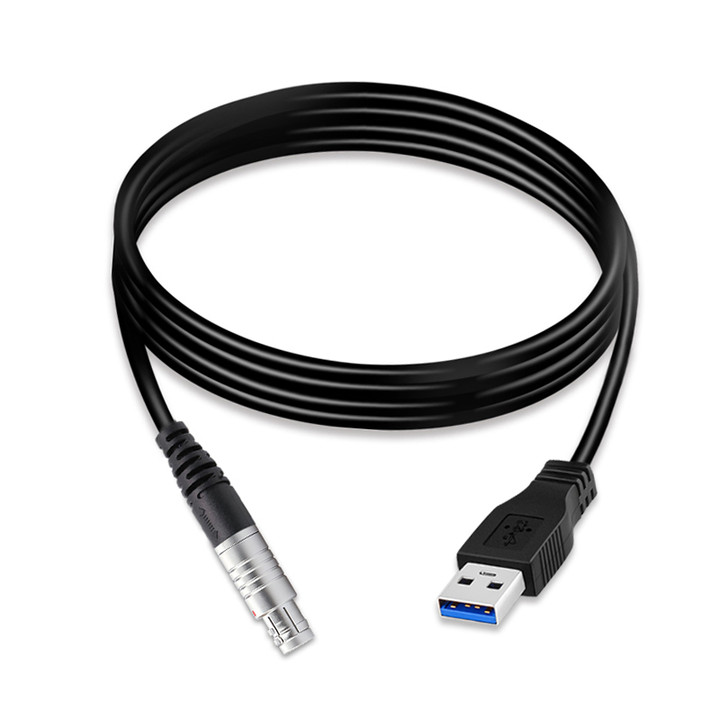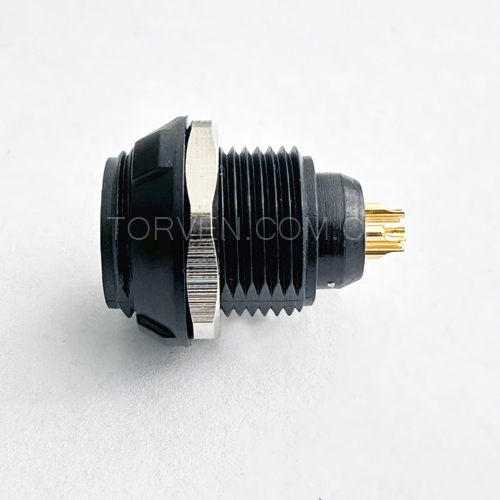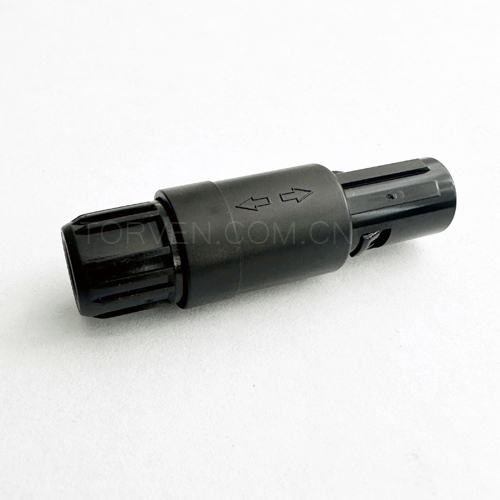

When deploying industrial circular connectors for automation, new energy, marine, and outdoor harsh environments, the wiring termination method directly impacts connection stability, construction efficiency, and long-term equipment reliability. Solder type and crimp type are the two most mainstream termination solutions for waterproof circular connectors, each with unique structural characteristics, application advantages and inherent limitations. Many engineers and purchasers struggle to distinguish solder type vs crimp type circular connector and fail to select the optimal wiring process for project scenarios, resulting in poor connection performance, frequent failures or increased construction costs. This professional SEO guide comprehensively compares the pros and cons of solder type and crimp type circular connectors, analyzes their applicable scenarios, and provides targeted selection suggestions to help you make efficient and accurate wiring decisions.
1. Basic Overview of Solder Type & Crimp Type Circular Connectors
Circular connectors are widely favored for their compact structure, strong vibration resistance and excellent waterproof performance (IP67/IP68). According to different wire termination processes, they are divided into solder type and crimp type, which are completely different in assembly principle, operation mode and post-use performance.
Solder Type Circular Connector: It is a traditional wiring method that relies on high-temperature soldering to fuse tin solder with connector pins and wire copper cores. The wire is permanently fixed on the contact pins through soldering, forming an integrated conductive connection. This type of connector has simple pin structure and low requirements for matching tools.
Crimp Type Circular Connector: It is a modern mechanical crimping wiring method. With professional crimping pliers, the terminal and wire core are tightly compressed and combined through mechanical pressure, forming a cold-pressed metal connection without high-temperature soldering. The pins and terminals are separable, supporting fast assembly and disassembly.
2. Solder Type Circular Connector: Pros & Cons
Solder type circular connectors have been widely used in early industrial wiring and small-batch precision equipment manufacturing, and still retain irreplaceable application value in specific scenarios.
2.1 Pros of Solder Type Circular Connectors
- Ultra-Stable Conductive Performance: Soldering forms a tight metal fusion layer between the wire core and connector pins, with extremely low contact resistance and no gap conduction. It effectively avoids signal attenuation and power loss, ensuring stable transmission of high-precision signals and high-current power, which is suitable for strict signal transmission scenarios.
- Excellent Vibration & Impact Resistance: The soldered integrated structure has no loose gaps. Under long-term mechanical vibration, impact and torsion working conditions, the wire and pins will not fall off or loose, providing strong connection firmness and high safety factor.
- Low Tool & Cost Threshold: The assembly only requires ordinary electric soldering irons and solder wire, without purchasing professional crimping tools and matching terminals. The overall procurement and wiring cost is low, which is very cost-effective for small-batch production and laboratory debugging.
- Strong Adaptability to Fine Wires: It is compatible with ultra-fine gauge wires that are not suitable for crimping. It can realize stable wiring of tiny wire cores and is widely used in precision instruments, medical equipment and miniaturized electronic devices.
2.2 Cons of Solder Type Circular Connectors
- Complicated Operation & Low Efficiency: Soldering requires manual tin feeding, heating, cooling and other processes. The operation is cumbersome, time-consuming and labor-intensive, unable to adapt to large-scale, batch assembly production lines, which seriously restricts production efficiency.
- High Requirements for Operator Skills: The soldering quality is greatly affected by manual operation. Improper temperature control, insufficient tin amount or false soldering will lead to virtual connection, poor conduction and hidden danger of open circuit. The product consistency is poor.
- Difficult Maintenance & Non-Reusable: The soldered wire and pins are permanently fused. Once wiring errors or wire damage occur, it is difficult to disassemble and repair. The whole connector or wire needs to be replaced, resulting in waste of costs.
- Risk of High-Temperature Damage: Long-term high-temperature heating during soldering may damage the internal insulating glue and sealing structure of the connector, affecting the original IP67/IP68 waterproof performance and reducing the service life of the connector.
3. Crimp Type Circular Connector: Pros & Cons
Crimp type circular connectors are upgraded products adapted to modern industrial mass production. With standardized mechanical crimping technology, they solve the pain points of low efficiency and poor consistency of soldering wiring, and have become the mainstream choice for large-scale engineering projects.
3.1 Pros of Crimp Type Circular Connectors
- Fast Assembly & High Production Efficiency: Relying on professional crimping tools to complete terminal crimping and pin insertion in one step, the operation process is standardized and fast. The efficiency is several times higher than manual soldering, fully meeting the production needs of large-scale assembly lines.
- Standardized Connection & Good Consistency: Mechanical crimping adopts uniform pressure and specification standards, avoiding manual operation errors. The crimping gap is uniform, the connection consistency is high, and the product yield is far higher than that of soldering wiring.
- Easy Maintenance & Reusable: The crimped terminals and connector pins are pluggable and separable. When wiring faults or wire aging occur, the damaged wire can be directly replaced without scrapping the connector. The maintenance is convenient and the reuse rate is high, greatly reducing later operation costs.
- No High-Temperature Damage & Complete Structure: The whole crimping process is cold-pressed operation without high-temperature heating. It will not damage the connector shell, insulation layer and waterproof sealing structure, completely retaining the original dustproof and waterproof performance of IP67/IP68 connectors.
- Strong Environmental Adaptability: Qualified crimping structure has good anti-oxidation and anti-corrosion performance. It can maintain stable connection performance in humid, dusty and vibrating harsh environments for a long time.
3.2 Cons of Crimp Type Circular Connectors
- High Initial Tool Investment: Professional special crimping pliers, terminal matching tools and testing equipment are required, with high initial procurement costs, which is not cost-effective for small-batch use and temporary wiring scenarios.
- Strict Matching Requirements: The crimping terminals need to be strictly matched with the wire gauge and connector pin model. Mismatched specifications will lead to loose crimping, virtual connection or terminal damage, with high matching accuracy requirements.
- Poor Adaptability to Ultra-Fine Wires: For ultra-fine wire cores of precision equipment, mechanical crimping is prone to wire core breakage and insufficient compression, resulting in unstable connection, so it is not suitable for ultra-fine wiring scenarios.
4. Core Differences Between Solder Type and Crimp Type Circular Connectors
To help you quickly complete model selection, the core differences between solder type and crimp type circular connectors are summarized from multiple dimensions:
- Connection Principle: Solder type relies on high-temperature tin fusion for integrated connection; Crimp type adopts mechanical cold pressing for physical fastening connection.
- Construction Efficiency: Solder type is low, suitable for small batch; Crimp type is high, suitable for mass production.
- Maintainability: Solder type is non-detachable and difficult to repair; Crimp type is detachable, reusable and easy to maintain.
- Product Consistency: Solder type is affected by manual skills with poor consistency; Crimp type is standardized with stable quality.
- Waterproof Structure Protection: Solder type has high-temperature damage risk; Crimp type fully retains IP67/IP68 waterproof performance.
- Applicable Wires: Solder type is suitable for ultra-fine wires; Crimp type is suitable for conventional standard wires.
5. How to Choose: Solder Type or Crimp Type Circular Connector?
5.1 Choose Solder Type Circular Connectors If:
- You are engaged in small-batch production, laboratory debugging and prototype testing with low wiring quantity;
- The equipment uses ultra-fine gauge wires and precision miniature wiring structures;
- The scenario requires extremely stable signal transmission and strict anti-vibration performance;
- You want to save initial tool costs and complete wiring with simple tools.
5.2 Choose Crimp Type Circular Connectors If:
- It is used for large-scale industrial production, assembly line operation and batch engineering projects;
- The equipment is in outdoor, marine and other harsh environments, requiring complete IP67/IP68 waterproof performance;
- The project requires convenient later maintenance, frequent wire replacement and high connector reuse rate;
- You need standardized wiring, stable product consistency and high production yield.
6. Conclusion
There is no absolute distinction between good and bad solder type and crimp type circular connectors, only suitability for scenarios. Solder type connectors excel in ultra-stable conduction and low-cost small-batch wiring, being the preferred solution for precision small-batch equipment. Crimp type connectors take the lead in high efficiency, standardization and easy maintenance, perfectly matching modern large-scale industrial and outdoor harsh environment projects. In actual selection, you need to comprehensively judge according to production batch, wire specification, application environment and maintenance needs to maximize the connection performance and service life of circular connectors.