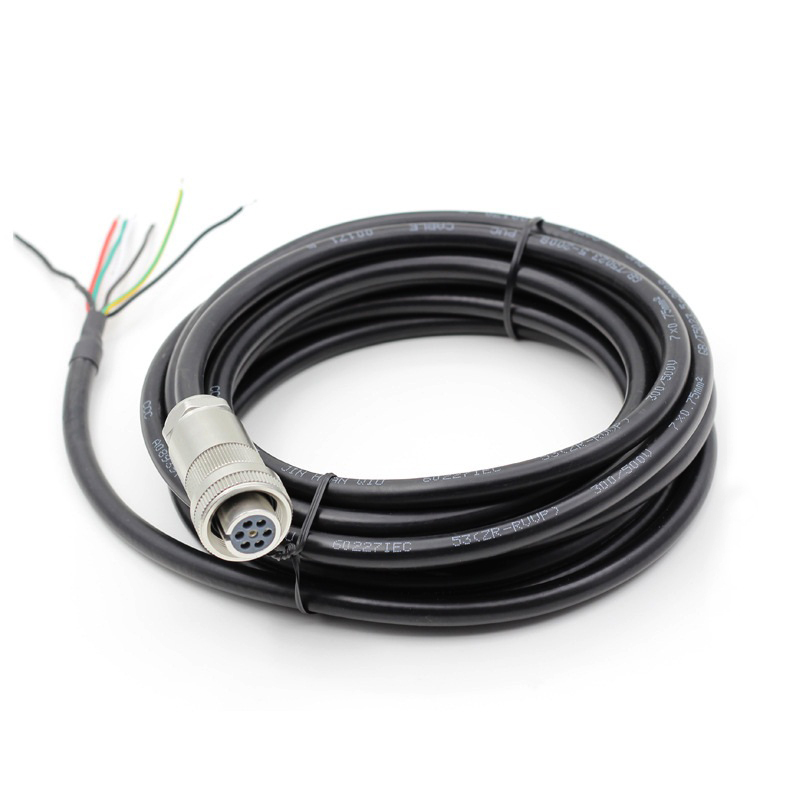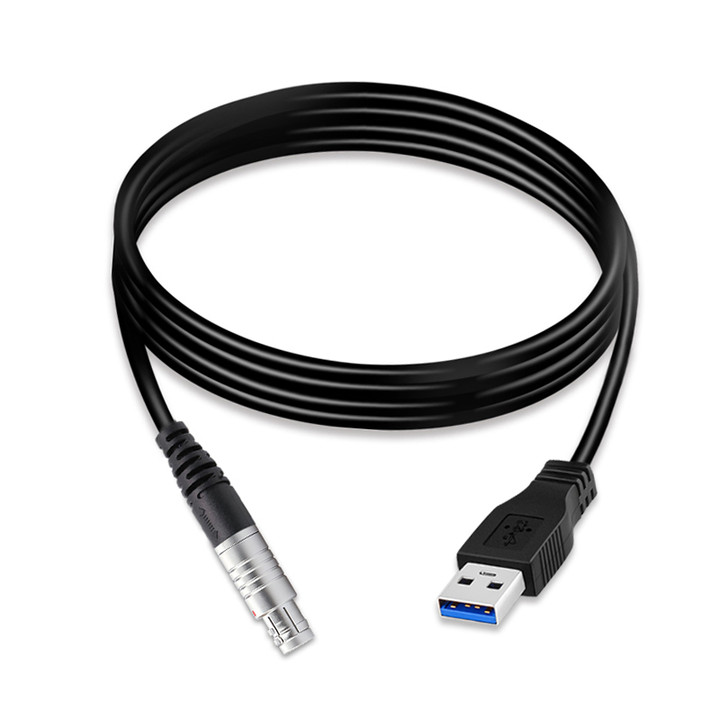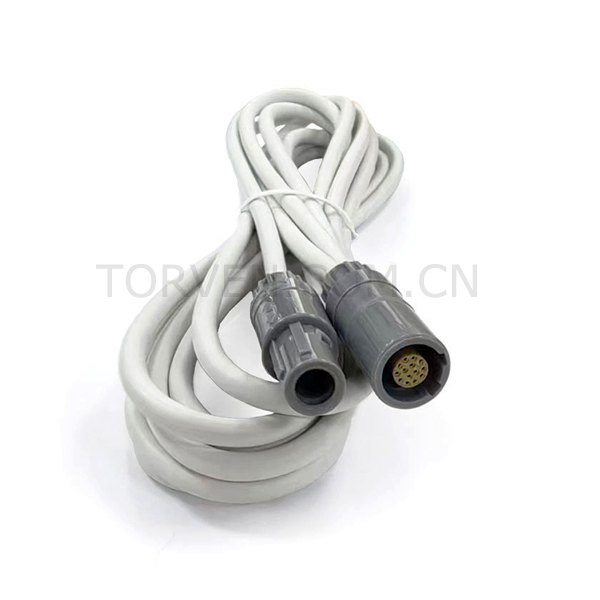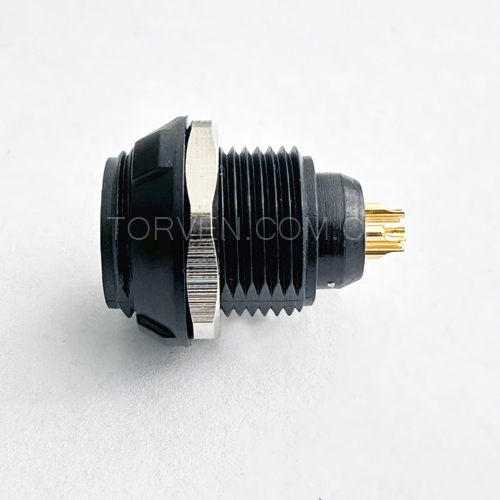


The selection of the appropriate connector is crucial for ensuring a reliable electrical connection in industrial machinery. Do not choose only because of the cost, look or the number of pins. When deciding which cables to purchase, buyers should take into account the following electrical ratings, environmental conditions, connection materials, mechanical properties, cable compatibility and suppliers quality. This article details the primary considerations to consider when choosing an industrial circular connectors, to ensure the product is compatible with the application and operating environments.
Understand Your Industrial Application Requirements
The first step is to determine where and how the connector will be employed. Decide if it is going to be used for power, control signals, data or a mix of these. Other factors including installation space, type of cable, conductor size, connection frequency and equipment design should be taken into account. A connector installed in a stationary control cabinet can be required to have different needs than the connector installed on a robotic arm or moving machine. Knowing the application first will make it easier to narrow down connector types and specifications.
Check Voltage and Current Ratings
One of the first specs that buyers should check is electrical ratings. The rated voltage of the connector should be capable of accommodating the equipment and the current rating of the connector should correspond to the anticipated electrical load. If multiple contacts are under current at the same time, the generation of heat and potential derating should be taken into account as well. The working capacity of the contacts, cable and connector housing must be coordinated within their rated values. Selecting the right electrical ratings assists in minimising the likelihood of overheating, incompatible connection and component failure.
Choose the Right Number of Contacts and Connector Size

Contact numbers shall be determined by the actual power, signals, grounding and data transmission needs. Another consideration is connector size since larger connectors can offer greater capacity or number of contacts, but may need more space to install. Sizes like M8, M12, M16 and M23 are common in various industrial applications. When deciding on which size to purchase, contact requirements, cable size, room limitations and future expansion should be compared.
Consider Coding and Mating Compatibility
Coding helps to prevent incompatible connectors being accidentally connected. If a piece of equipment is equipped with more than one type of connector, the proper coding system can help minimize installation and maintenance mistakes in terms of connectors. In addition, buyers should ensure that the connector type they are considering will mate properly with the existing equipment, cables, sockets, or other connector parts. Technical drawings and manufacturer specifications are used to determine compatibility, not appearance.
Evaluate IP Rating and Environmental Protection
Dust, water, oil, humidity, chemicals and frequent cleaning can be present in the area where industrial equipment may be installed. So the IP rating of the connector must be equivalent to the environment in which it will be used. The level of protection that the ratings give varies from IP65 to IP67 to IP68—whether when the connector is fully mated or not—and purchasers should verify the manufacturer's stated test conditions and the protection offered when the connector is fully mated. The choice of environment protection should not be made purely by reference to the highest rating available but on the basis of the actual operating conditions.
Check Connector Materials and Contact Quality
The material used will impact durability, conductivity, corrosion resistance, weight and service life. Plastic and engineered plastics might be appropriate for certain environments and lower weight, while metal housings may be more suitable for mechanical strength or electromagnetic shielding. The contact materials (and plating) also need to be checked as they have an impact on the electrical performance and long-term stability of the contact. The internal materials and other insulators and seals should be appropriate for the temperature, moisture and chemicals which are expected.
Consider Locking Mechanism and Mechanical Reliability
A connector should be firmly attached under normal conditions. The various locking methods such as threaded, push pull, bayonet etc. have varying advantages, depending upon the use. Vibration or repeated movement may require a robust locking mechanism and appropriate strain relief features in the equipment. These are among the other factors buyers are advised to consider, such as expected mating and unmating cycles, shock resistance, vibration performance and cable protection. In machinery, automation systems, robotics and other applications where loose connections can cause the system to stop working, mechanical reliability is important.
Evaluate Temperature, Vibration, and Other Operating Conditions
Connectors' performance may vary with operating conditions. Review the manufacturer's recommended temperature limits and see if the connector will withstand the hot or cold temperatures at the installation site. Vibration, mechanical shock, oil, chemicals, moisture, dust and exposure to the outdoors should also be taken into consideration. Repetitive mechanical action and cable bending, for moving equipment, might need extra protection. Useful data for evaluating these conditions are not general product descriptions but test data and technical documentation.
Check Shielding and Signal Integrity
In some industrial environments, there are motors, drives, switching equipment, etc., which are sources of electromagnetic interference. For sensitive signals or high-speed communication, shielding might be needed to keep the transmission of the signals stable. Buyers need to make sure that the connector shielding design is compatible with the cable and equipment grounding system. Other specifications like signal loss and impedance can also be reviewed in special data applications or RF applications. Effective shielding can minimise interference and ensure the communication is effective.
Verify Connector and Cable Compatibility
Connectors used to terminate with cables are supposed to be compatible with that cable. Before ordering, verify cable diameters, conductor sizes, jackets, termination methods and bends. There can also be straight and right angle versions available depending on installation space requirements. For certain applications, factory-made solutions for cables can offer consistent termination and strain relief. The whole connector/cable system should be tested for compatibility during installation to avoid problems.
Review Standards, Certifications, and Quality Control
Ensure that you obtain the necessary technical standards and certifications for the application or market before buying. When needed, request datasheets, test reports, compliance data and other technical documents from suppliers. A good manufacturing process should include suitable electrical, mechanical, environmental and sealing testing. Quality control and product traceability are also beneficial for businesses that demand repeat business or need connectors for large volumes of production.
Evaluate the Manufacturer and Supplier
Supplier quality can impact the quality of the initial purchase and availability. Examine the manufacturer's previous experience, their product portfolio, their ability to customise, technical support, production capacity, lead times and after-sales support. Samples can also be a great idea before ordering a large quantity. Torven appears to be a manufacturer offering circular connectors, cable assemblies, customization, and technical support, and supplier capabilities are a contributing factor to choosing a supplier.
Compare Total Cost Instead of Purchase Price
Often the lowest price paid doesn't equate to the lowest total cost. Service life, installation time, maintenance, replacement frequency, and equipment downtime should be taken into consideration when buying. A connector that is slightly expensive, but more durable and environmentally protective can help decrease replacement costs over time. When considering total cost along with performance, compatibility and reliability, it provides the purchasing team with a broader foundation for making a comparison among the various product offerings.
Common Mistakes When Selecting Industrial Circular Connectors
There are some common installation problems that can occur after installation. These include selecting the product solely based on its price, neglecting voltage or current ratings, picking up an incorrect IP rating, not accounting for cable diameter, and neglecting to consider vibration or mating cycles. Other concerns are not considering shielding requirements, buying without reading the technical documentation, and choosing a connector that might be hard to replace in the future. By avoiding these pitfalls, the selection process will be more dependable and will minimize future maintenance issues.
Industrial Circular Connector Selection Checklist
Buyers can follow a simple checklist to make sure they have the most important requirements before ordering. Check the application, voltage, current, number of contacts, connector size, coding, IP rating, housing material, contact material, operating temperature, vibration and shock resistance, locking mechanism, shielding, cable compatibility, mating cycles, applicable standards, certifications, manufacturer support and total cost. The points can be reviewed together to ensure the selected connector is suitable for the equipment and operating environment.
FAQ:
What should I consider when selecting an industrial circular connector?
The most important are voltage, current, number of contacts, size, IP protection, materials, locking mechanism, temperature range, vibration resistance, cable compatibility, shielding, certificates and manufacturer's support.
What IP rating is suitable for industrial circular connectors?
The correct rating will depend on the environment in which they will be used. When choosing an IP rating, it is important to take into account the conditions of installation as well as dust and water exposure, immersion, and cleaning.
How do I choose the right number of connector pins?
Make calculations of contacts for power, signal, communication, grounding, and for reasonable future expansion. The number of contacts should be sufficient for the application, but the size and cost of the connector should not be excessive.
Are metal or plastic circular connectors better for industrial use?
Either material can be appropriate. Engineered plastics may be used for their low weight and resistance to specific environmental conditions, while metal may provide excellent mechanical properties and shielding. This should be decided by the application.
Why is the locking mechanism important?
The locking system helps to secure the connection during operation. There are various types of systems such as threaded, push/pull and bayonet which can be used for different installation and maintenance needs, especially if vibration or repeated connection are required.
Final Thoughts
The choice of a connector isn't simply about price and size. Long-term performance is affected by electrical performance, environmental protection, mechanical reliability, materials, cable compatibility and supplier capabilities. Careful inspection of technical characteristics and verification of the manufacturer's testing and quality standards can minimize compatibility concerns and ensure that Industrial Circular Connectors are chosen for the equipment and operating environment.